
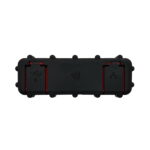

Ford VCM 3 Diagnostic Interface
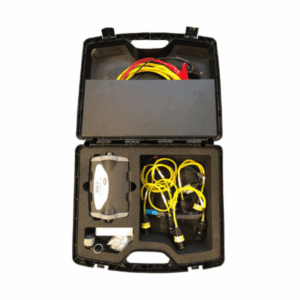
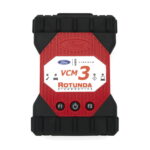
The Ford VCM 3 (Vehicle Communication Module 3) is the official dealer-level Ford diagnostic interface for the latest generation of Ford, Lincoln, and Mercury vehicles. Manufactured by Rotunda, the Ford VCM3 is a professional hardware tool that connects your vehicle to a computer, enabling advanced diagnostics, programming, and module updates.
The Ford VCM 3 diagnostic tool works seamlessly with Ford IDS (Integrated Diagnostic System), FDRS (Ford Diagnostic and Repair System), and PTS (Professional Technician System) software, providing full dealer-level diagnostic capability for modern Ford vehicles.
Designed for professional workshops and fleet operators, the Ford VCM3 interface supports both wireless and wired connectivity, along with modern vehicle communication protocols such as CAN-FD and DoIP, making it suitable for current and next-generation vehicle platforms.
Ford VCM 3 Features
- Official Ford dealer diagnostic interface for Ford, Lincoln, and Mercury vehicles
- Compatible with IDS, FDRS, and PTS software platforms
- Supports advanced diagnostics, programming, and module updates
- Wireless connectivity (802.11) for flexible workshop use
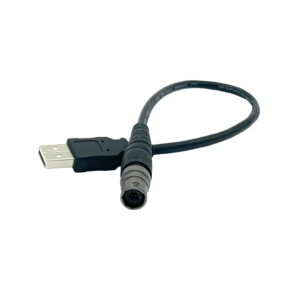
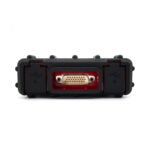
- Wired connections via USB and J1962 DLC
- Supports modern protocols including CAN-FD and DoIP
- Designed for independent workshops and fleet operators
Ford VCM3 Advanced Functionality
The Ford VCM 3 includes a backup capacitor, which helps keep the VCI powered during low voltage conditions. This feature is particularly useful during diagnostic and programming procedures, where maintaining stable communication is essential.
Ford VCM 3 Software Compatibility
The Ford VCM3 diagnostic interface is designed to work with:
- Ford IDS (Integrated Diagnostic System)
- Ford FDRS (Ford Diagnostic and Repair System)
- Ford PTS (Professional Technician System)
These platforms allow technicians to perform:
- Vehicle diagnostics
- ECU programming and updates
- Module configuration and repairs
Important Programming Notice
Please ensure you follow manufacturer guidelines when performing programming procedures.
Always use a suitable Battery Support Unit (BSU) to maintain stable voltage during programming.